Skip to content
  • About Us
    • About Artha Global
    • Our Approach
    • Our Networks
    • Our Team
    • Governance
  • Centres
    • Emerging Cities
    • Technology and Innovation
    • Rapid Insights
    • Growth, Jobs and Prosperity
  • Publications
    • Reports
    • Papers
    • Policy Briefs
    • Journal Articles
    • Blog
  • Events
    • Artha Conversations
  • Projects
    • All Projects
    • Knowledge Partnership for Universal DPI Safeguards
    • The DPI Academy
    • Piloting “Clean Air Zones” in Andhra Pradesh
    • Survey | Changing Dynamics: Female Labour Force Participation and Livelihood Schemes in Rural India
    • Survey | How Are Indians Coping with Rising Heat Stress?
Artha Global

Menu level 1

  • Publications
    • All Publications
    • Reports
    • Papers
    • Policy Briefs
    • Journal Articles
    • Blog
  • Events
    • Artha Conversations
  • Careers & Internships
  • Media
    • All Media
    • Op-eds

Menu level 1

  • About Us
    • About Artha Global
    • Our Approach
    • Our Networks
    • Our Team
  • Centres
    • Emerging Cities
    • Technology and Innovation
    • Rapid Insights
    • Growth, Jobs and Prosperity
  • Publications
    • All Publications
    • Reports
    • Papers
    • Policy Briefs
    • Journal Articles
    • Blog
  • Events
    • Artha Conversations
  • Media
    • All Media
    • Op-eds
  • Careers & Internships
×


Rapid Insights

How India Gives 2025-26

Artha Global’s Centre for Rapid Insights conducted a rapid survey for Ashoka University’s Centre for Social Impact and Philanthropy on the third edition of How India Gives 2025–26, based on 7,225 quantitative and 20 qualitative interviews across 20 states.


February 23, 2026

Artha Global’s Centre for Rapid Insights conducted a rapid survey for Ashoka University’s Centre for Social Impact and Philanthropy on the third edition of How India Gives 2025–26, based on 7,225 quantitative and 20 qualitative interviews across 20 states.

Context

Individual giving in India is widespread yet uneven, spanning structured donations as well as spontaneous, everyday acts of support. Despite being deeply embedded in social practice and critical to sustaining a wide range of causes, individual giving remains under-examined, with limited systematic research on its patterns and determinants. In 2019, everyday giving was estimated at over ₹340 billion, but only 10% flowed through formal channels—leaving the majority informal and largely untracked.

These patterns point to a significant untapped opportunity: strengthening formal giving channels to better harness everyday generosity. Doing so could enhance transparency while expanding the reach and impact of India’s philanthropic ecosystem.

How India Gives is a longitudinal study that tracks everyday giving patterns in India. Following two previous editions, the third edition presents updated insights to better understand the extent, quantum, and nature of household giving across the country. The study also aims to help non-profit organisations strengthen retail fundraising by identifying the factors and channels that most effectively mobilise support. 

Read more here

Methodology

This study combines quantitative and qualitative insights, using Computer-Assisted Telephone Surveys (CATI) and analysis anchored to NSS consumption data to capture different nuances on everyday giving across India.

  • The sample involved 7,225 quantitative and 20 qualitative interviews from households across 20 states to explore how giving behaviour differs by level of education, region, area type, gender, and consumption level.
  • We applied Multilevel Regression and Poststratification (MRP) to the HIG dataset to estimate subgroup responses and matched these with NSS 2023–24 data to calculate Household Consumption Expenditure.
  • We established four donor archetypes based on household consumption expenditure and highest reported education level. Consumption dictated the amount given, while education influenced the causes, preferences, and channels of giving.

Outcomes

  • Quantum of giving : 68% of all respondents report giving in some form.
  • Forms of giving: In-kind donations are the most popular (46%), followed by cash donations (44%), and around 30% of respondents volunteer. 
  • Popular recipients of giving: Individual giving is directed primarily to religious organisations (46%) and beggars (42%).  A smaller share of respondents support non-religious organisations (15%) and family, friends or relatives (9%).
  • Channels of learning: In-person canvassing (23%) is the most common channel for learning about giving opportunities, followed by social media (15%)
  • Total Giving Market Size : ₹540 billion* (approximate, based on segment-wise median annual giving × population). 
Project Image

Team Members

Dr. Neelanjan Sircar

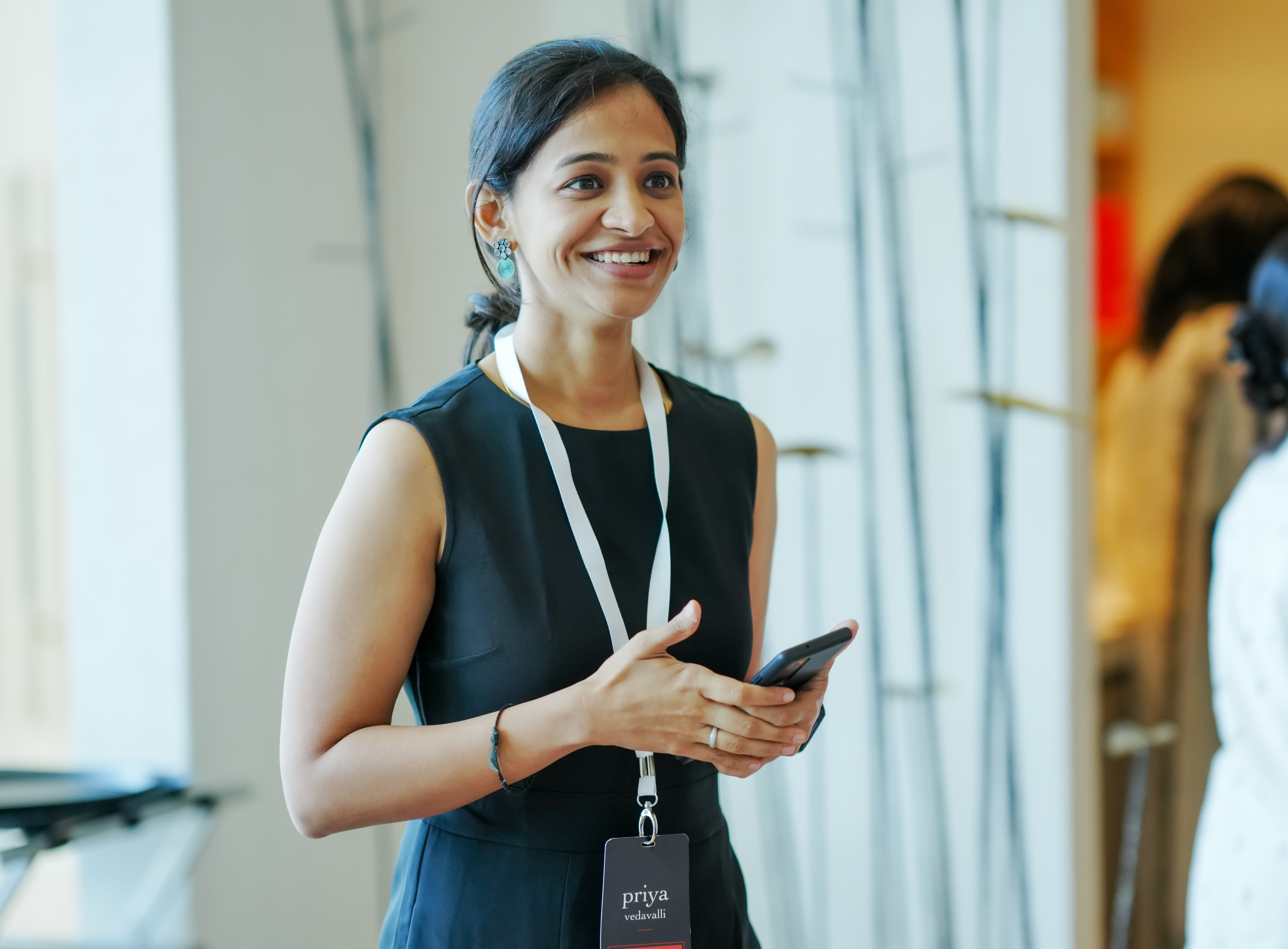
Priya Vedavalli

Ishana Deshpande

Srikavya Peri

Aadya Jain

Artha Global

Subscribe to the Artha Global mailing list to receive updates on our work and upcoming events.

    Email:      contact@artha.global
    Phone:    +91 22 69023333
    Address: 📌 India: 401, 4th Floor, Construction House 'A', 24th Road, Off Linking Road, Khar West, Mumbai 400 052
         United Kingdom: 4 Grovelands Boundary Way, Hemel Hempstead, Hertfordshire HP2 7TE

    • Terms of Use
    • Privacy Policy
    • POSH Policy
    • Equal Opportunity Policy
      • Publications
      • Events
      • Blog
      • Careers & Internships
      • Media

    © 2024 Copyright Artha Global. All Rights Reserved