January 15, 2025

Emerging Cities
Piloting “Clean Air Zones” in Andhra Pradesh
Providing CAZ Implementation Support in Visakhapatnam and Vijayawada to enhance air quality and urban health
Context
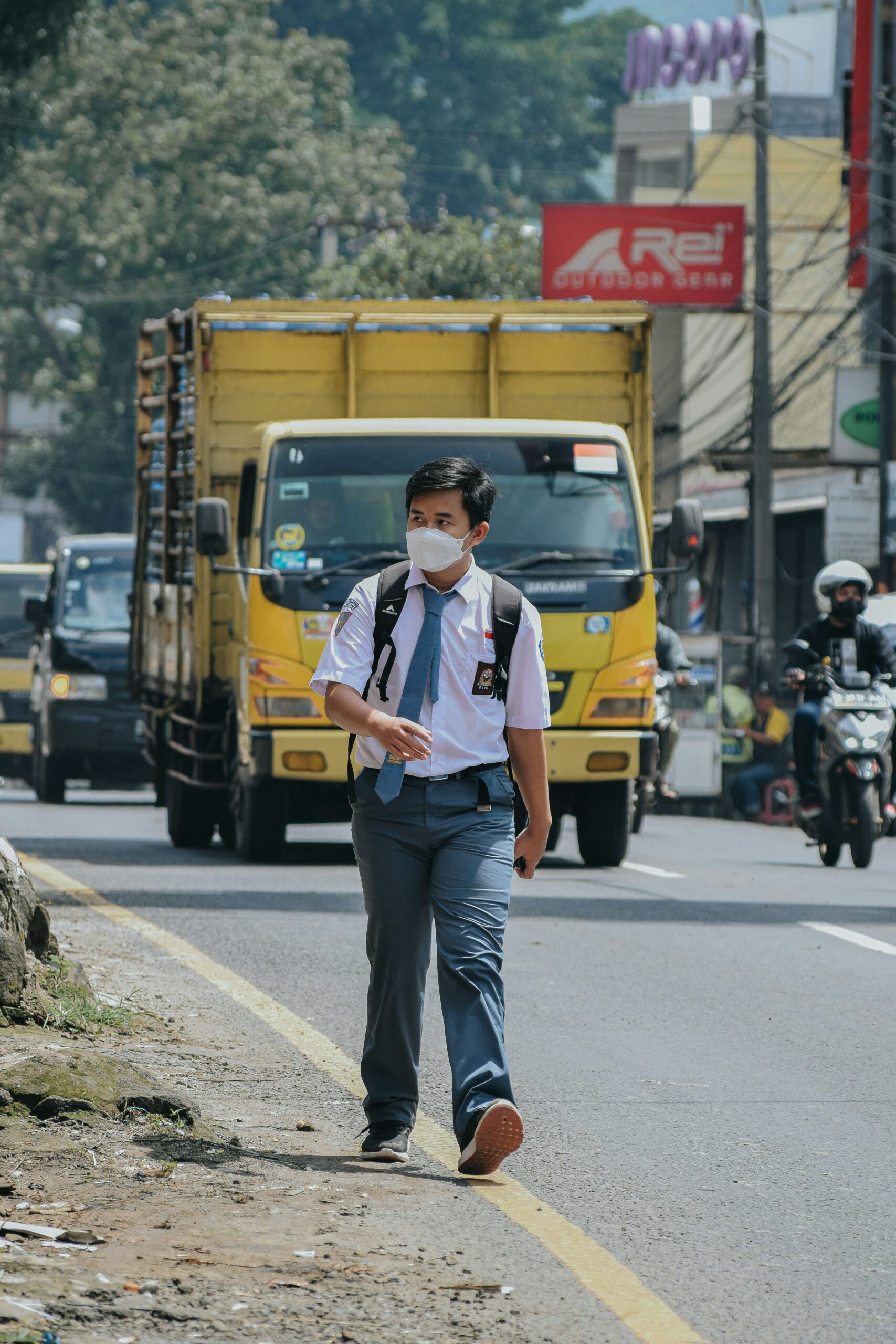
In 2019, 1.7 million deaths were attributable to air pollution in the country. Apart from death, poor air quality has a severe impact on health and quality of life, especially amongst vulnerable communities – Artha’s Centre for Rapid Insights
The major sector-wise pollution contributors in Indian cities include transport (13 – 56 percent), domestic sector (17- 42 percent), and industrial sector (8-22 percent). Transport sector emissions (tail-pipe and road dust) contribute significantly to urban emissions.
In September 2022, the Government of India upgraded the target for reduction of particulate matter concentration in the 132 cities covered under the National Clean Air Action Plan (NCAP). The new target requires a 40 percent reduction by 2026, significantly more than the earlier goal of 20-30 percent reduction by 2024. This will mean that cities have to build capacity to tackle pollution. While cities cannot control all sources of pollution, they can control for transport, and make a significant impact in transforming air quality for its residents .
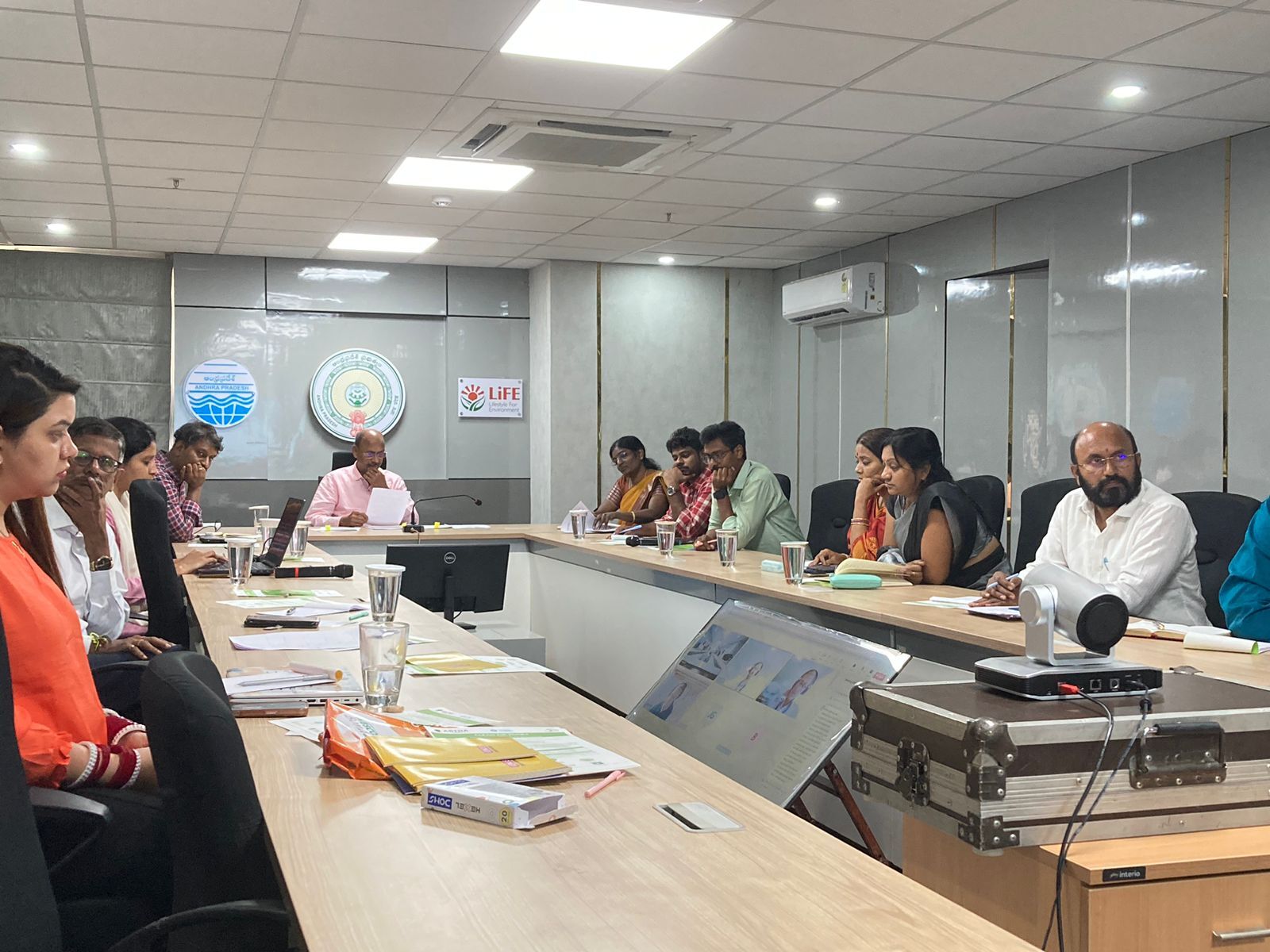
Artha, is collaborating with the Andhra Pradesh Pollution Control Board (APPCB), Greater Visakhapatnam Municipal Corporation (GVMC), Vijayawada Municipal Corporation (VMC), Transport Department, Local Police and other local authorities and stakeholders, to provide implementation support for Clean Air Zones (CAZ), to address transport emissions and minimise public exposure to pollutants.
Methodology
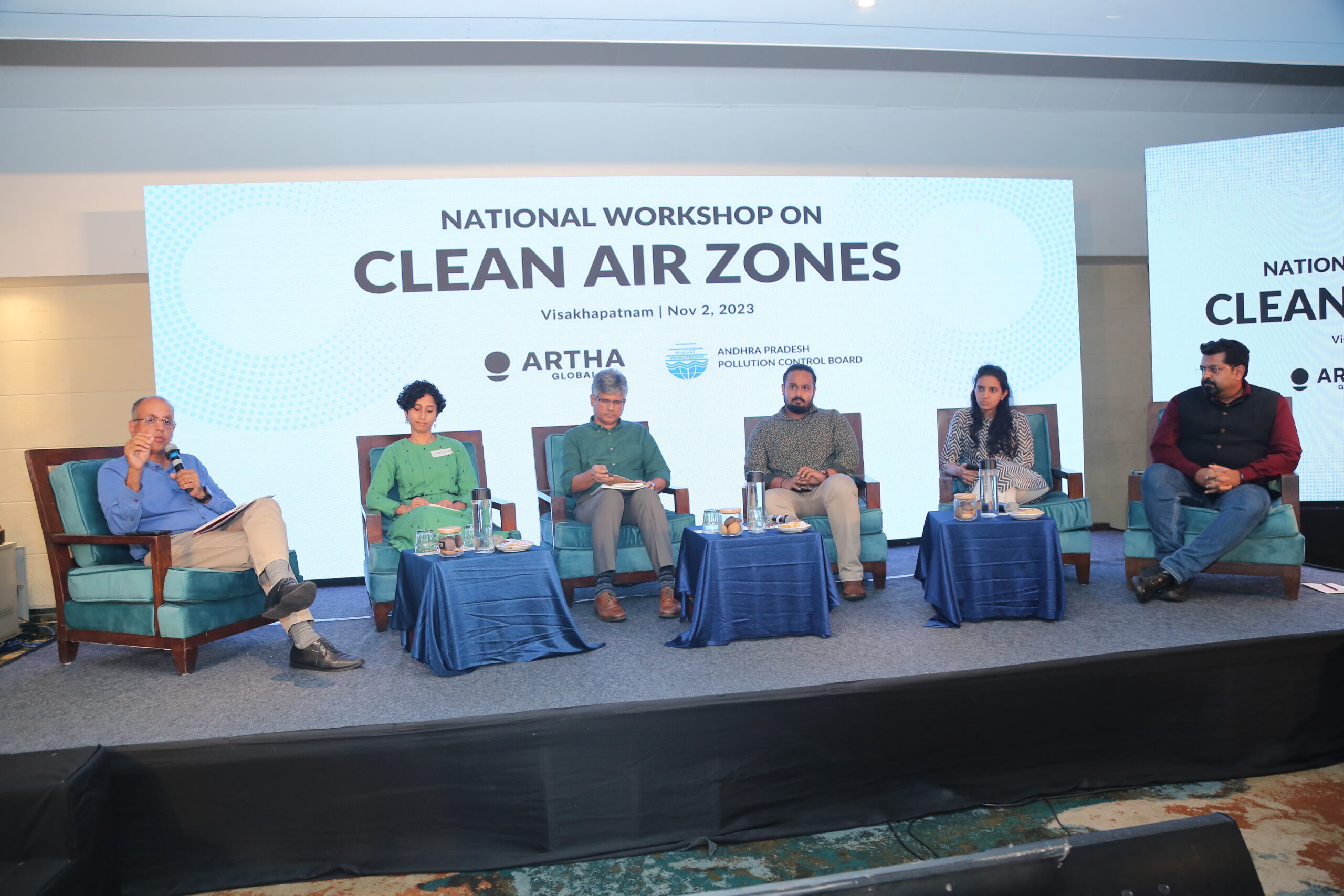
In the first year of the project (2023-2024), Artha socialised the idea of CAZs for over a year by directly engaging with over 200 representatives from local government, industry, and community associations in Visakhapatnam and Vijayawada. We did this through stakeholder engagement workshops. During this phase, we partnered with Transport for London (TfL) who shared best practices on CAZ planning and implementation. At the end of the first year, we got urban local bodies to engage with Artha as the technical partner to CAZ implementation. .
In the second year of the project (2024-2025), we have partnered with The Energy Resources Institute (TERI) and are providing the following support.
- Technical Assistance (TA): This includes shortlisting of CAZs, primary air quality monitoring, transport surveys/analysis and proposing appropriate control measures.
- Capacity Building: We are providing in-person capacity building sessions on CAZs to policy makers focussing on satellite based air quality monitoring, health initiatives, compact urban planning, and digital public infrastructure.
- Strategic Communication: We are working closely with local communities and urban local bodies to develop communication strategies , and business development plans focussed on green growth opportunities.
Outcomes
Expanding CAZs at the City Level: Artha has successfully partnered with the project cities to include CAZ as a tool in their climate action plans. Further, the project cities have committed to implement Clean Air Zones at a city level.
Scaling up CAZ interventions: Artha’s partnership with APPCB will ensure that the CAZ strategy will be scaled up across more non-attainment cities in AP. This model, using localised data and collaborative approaches, sets a precedent for other cities in India, extending the project’s potential national impact.
Deepening State/City Engagement: Artha’s successful CAZ implementation support has resulted in opportunities for deepening our engagement with project cities on other domains (capacity building, urban health, climate change, digital public infrastructure ).