
Publications
Filtering by: Rapid Insights
Paper January 27, 2026
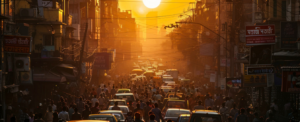
Mapping Heat Inequality Across Neighbourhoods in Delhi
Op-ed April 30, 2025
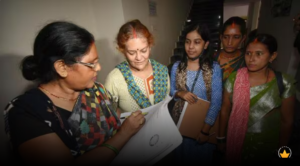
Opinion | India could use quick inputs from citizens for better public policy responses
Report February 20, 2025
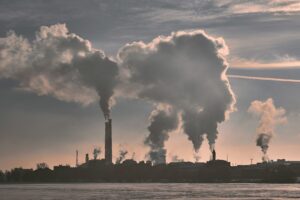
Survey | The Health and Economic Impact of India’s Air Pollution Crisis
Report February 10, 2025
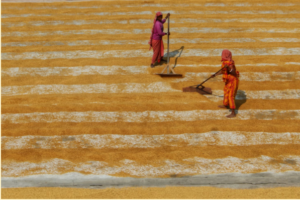
A Survey of Changing Dynamics in Rural India: Female Labour Force Participation and Livelihood Schemes

Report September 11, 2024
Survey | How Are Indians Coping with Heat Stress?

Op-ed September 2, 2024
Opinion | More than two in three Indians use UPI: Survey

Op-ed August 12, 2024
Opinion | The burden of health care on India’s poorest
Op-ed July 22, 2024