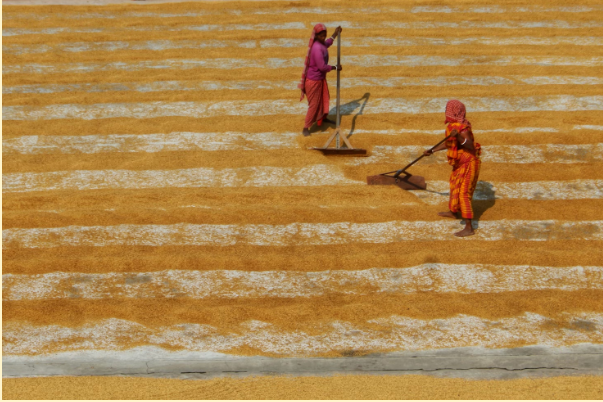
India’s rural economy has seen a rise in Female Labour Force Participation (FLFPR), challenging traditional gender roles in agriculture and informal sectors. Migration and the pandemic have reshaped household dynamics, with many returning migrants altering women’s roles in agriculture and domestic work. Increased government welfare programs have also boosted female participation in the workforce.
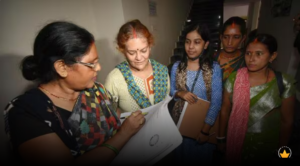
Artha Global’s Centre for Rapid Insights (CRI) surveyed nearly 2400 married women (25-45 years old) across northern India to explore these trends. Our findings reveal:
- 96% of women cited financial need as their primary motivation to undertake paid work. Most women engage in short-term, casual labour, with 76% in such jobs. About 57% of women in unpaid work are involved in agriculture, indicating a shift toward self-employment.
- Women with migrant husbands are more likely to work (42%) compared to those with husbands in the same village (33%). Return migration during the pandemic increases both paid and unpaid work, with economic shocks raising FLFPR, while strategic returns reduce it.
- Welfare schemes are improving rural life, with transfers used for basic needs like food and education, highlighting different consumption patterns across income levels.
- SHG loans are mainly spent on consumption, health, and small businesses, with less focus on education, suggesting direct transfers may better address educational needs.
The rise in Female Labour Force Participation in rural India affects economic growth and gender equality. Understanding if this leads to meaningful work or stays informal can help improve policies. Additional insights on male migration and asset ownership can further guide targeted interventions.
Please find the final report here.