January 15, 2025

Emerging Cities
Report | A Reform Agenda for Urban India
Empowering cities through strategic reforms to enhance urban governance, infrastructure, and quality of life.
Context
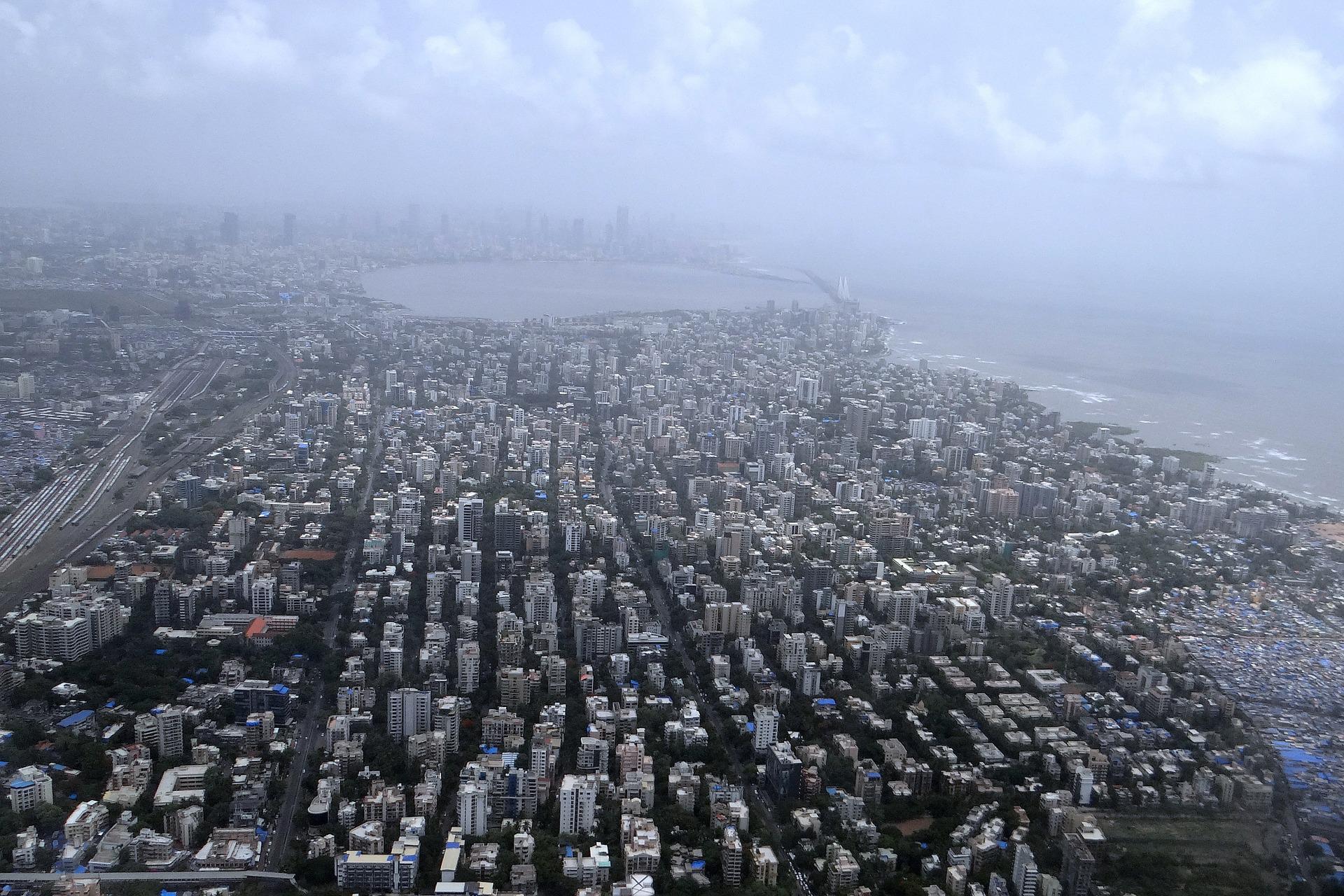
Urbanisation has played and will continue to play a critical role in India’s growth story in the 21st century. Well-functioning and diverse cities allow for exponential growth in productivity and provide for improved quality of life for its citizens. By some estimates, Indian cities already contribute up to 70% of the country’s GDP. Yet, depending on which official estimates you use, India is just 26% or 31% urban. However, there is growing evidence that India is more urban than is officially recognised.
Even as many of India’s urban areas go unacknowledged, its existing towns and cities suffer from serious neglect. Air quality and congestion are worsening, house prices continue to soar, and amenities and services like clean water, public spaces, public transport, and solid waste management are severely deficient. The local bodies entrusted to govern cities do not have sufficient finances, expertise, or personnel to plan for and address these challenges.
At their core, cities are labour markets. People move to cities for jobs and opportunities. Well-functioning and diverse cities allow for the sharing and cross-pollination of ideas, which in turn drive greater productivity. Access to affordable housing and transit options that allow workers and city residents to commute easily between home, work, schools and other places is also crucial for improving productivity. Conversely, poorly managed and planned cities can erode productivity and impair the quality of life of citizens.
Methodology
We compared domestic and global definitions to measure India’s urbanisation, as well as used satellite imagery to illustrate that India is far more urban than official statistics. We also considered factors such as open space, road width, access to basic amenities like schools, water, hospitals, banking services, as well as emergency services like fire services and ambulances as key factors to make a case for better governed urban local bodies.
We highlight eight reforms to address some of the most pressing challenges facing India’s cities:
- Accurate data on urbanisation
- Market-friendly urban planning with regards to land use
- Future-facing plans that integrate the city’s economic growth into its infrastructure and public service delivery
- Optimised land utilisation through regulation reform and utilising public lands
- Affordable housing
- Integrated public transport
- Strengthened local governance and political accountability
- Financial empowerment of urban local bodies
The urban reforms agenda highlights some critical reforms that need to be addressed by governments. . There is a need to focus on deeper, systemic reforms that bring about desired institutional change.
Outcomes
Key outcomes from the project are highlighted below:
- The report was inaugurated by Mumbai’s then Municipal Commissioner, Praveen Pardeshi, followed by extensive training sessions for the Mumbai Metropolitan Regional Development Authority (MMRDA), Maharashtra Housing and Area Development Authority (MHADA), and town planning departments
- Pritika Hingorani was invited to present on land utilisation and how to manage inner city redevelopment to the then Additional Chief Secretary, Urban Development, Government of Maharashtra and 60+ BMC planning staff
- We published a long form article in the Pragati Manifesto ahead of the 2019 Indian general elections.
As a member of the Urban Reforms Working Group, Government of Punjab, in partnership with the World Economic Forum, we have provided bespoke training on property tax reform, urban expansion, and sustainable mobility. We have also been invited to be a member of MoHUA’s Working Group on Data Smart Cities, the National Urban Learning Platform and other committees.