With a vaccine sector valued at ~INR 95 billion, India is a global leader in vaccine manufacturing and production. However, will this infrastructure and capacity be able to deliver the COVID-19 vaccine in a timely manner?
The model presented in this note intends to support state governments allocate limited COVID-19 vaccine doses to maximise the impact of the vaccination campaign
Using demographic, economic, social data, the authors attempt to describe Kerala’s COVID-19 trajectory, the state’s policy response and how to assess its pandemic performance.
Major efforts where made during the COVID-19 pandemic to generate regular and reliable data. The authors argue this should be replicated for other diseases and become a policy focus for urban public health in India.
During the first wave of COVID-19, we conducted a serological survey across the state of Karnataka to understand the patterns of transmission in urban and rural areas.
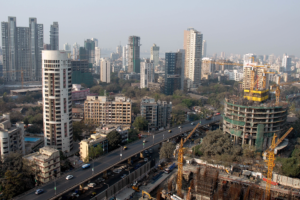
Cities bore the brunt (and some misplaced blame) of COVID-19 in India. Systemic issues, such as overcrowded and unsanitary slums, congested streets, and air pollution, made them the hotspots of infection.
India is embarking on a monumental mission, not just in terms of vaccinating its own population, but also vaccinating a large part of the world thanks to its position as the world’s leading vaccine producer.