
Op-ed

Op-ed August 27, 2021
Opinion | What Mandaviya and Vaishnaw must do
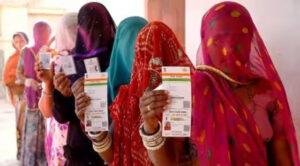
Op-ed July 11, 2021
Opinion | Why linking Aadhaar with voter ID is a dangerous idea

Op-ed July 4, 2021
Opinion | COVID-19: trauma from India’s second wave may have lingering effects on its frontline workers

Op-ed June 10, 2021
Opinion| Decentralisation and social mobilisation during the second wave of COVID-19

Op-ed April 21, 2021
As vaccination opens up, design a smarter communication plan
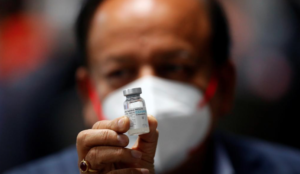
Op-ed April 13, 2021
Opinion | Lack of Relevant, Credible Data Is Compromising India’s COVID-19 Efforts

Op-ed April 13, 2021
Lack of relevant, credible data is compromising India’s COVID-19 efforts

Op-ed April 6, 2021
Opinion | Strengthen state capacity: This is a must if budgeted funds are to be used effectively for fostering growth

Op-ed February 8, 2021
Opinion| How India can improve urban public health with lessons from COVID-19

Op-ed January 9, 2021