
Op-ed

Op-ed February 8, 2021
Opinion| How India can improve urban public health with lessons from COVID-19

Op-ed January 9, 2021
Ease of Vetting: Digitisation can help streamline govt audits

Op-ed January 7, 2021
Opinion | Devising a vaccine strategy for India
Op-ed December 3, 2020
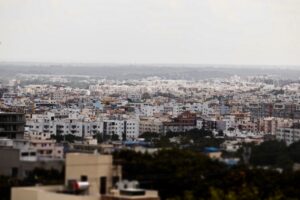
Opinion | Indian cities may not be sprawling, but their density is a major concern especially in a pandemic

Op-ed November 20, 2020
Devise an India-specific Covid vaccination plan

Op-ed November 1, 2020
Opinion | Schadenfreude and spectre of COVID-19 second wave

Op-ed August 24, 2020
Opinion | Containing Covid-19 in megacities: Japan’s thoughtful urban planning has a lesson for the world

Op-ed August 14, 2020
Opinion | The definitions of community and community data are too broad

Op-ed July 23, 2020
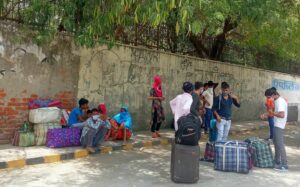
Opinion| Do India’s Covid-19 patients have a right to privacy?
Op-ed July 22, 2020